

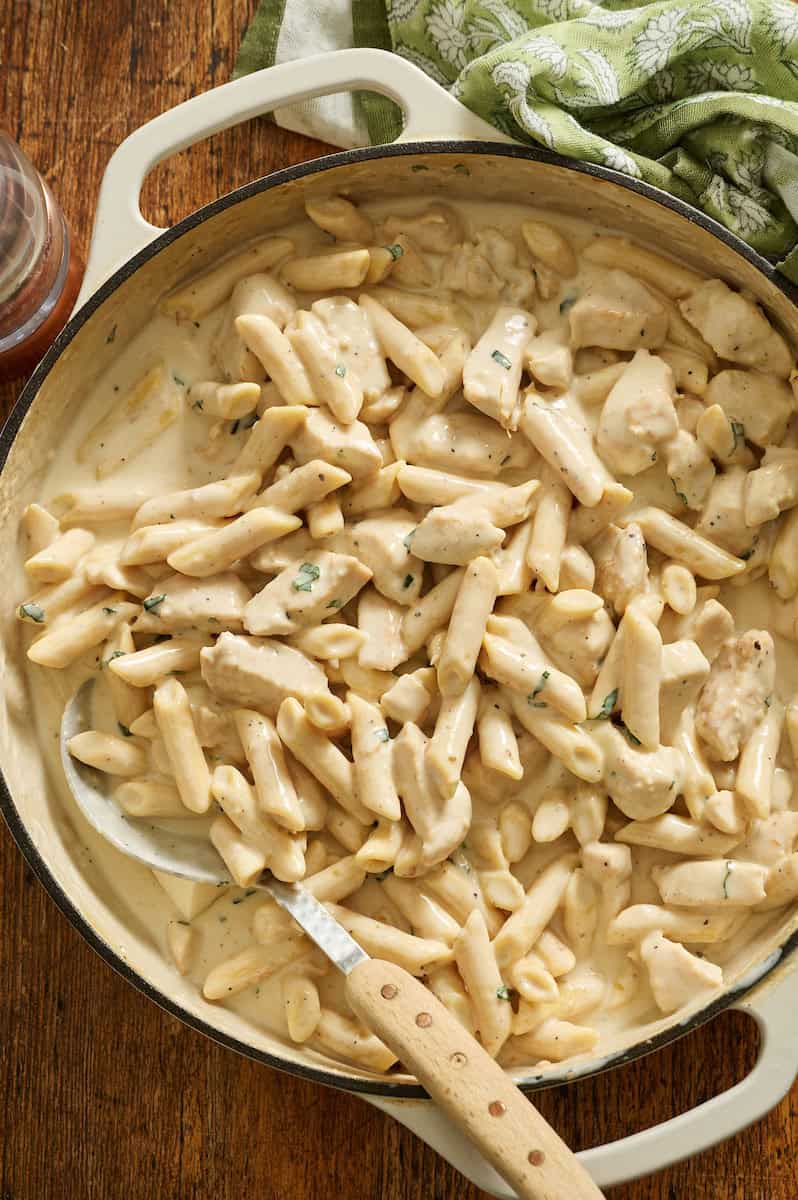
If you're a pasta lover who also wants steady energy after dinner, this blender Alfredo is going to earn a permanent spot in your weeknight rotation.
Cottage cheese, parmesan, garlic, and a blender. And, per my kids, you cannot taste the cottage cheese. Smooth, rich, and when you add chicken, you're looking at 45+ grams of protein per serving!
Quick Look: Cottage Cheese Alfredo
🖐 Prep Time: 15 minutes
🌶 Cook Time: 20 minutes
⏱ Total Time: 35 minutes
Servings: 6
Protein: ~45g per serving with chicken / ~23g sauce and pasta only
Equipment: Blender and one-pot on the stovetop
🚫 No Heavy Cream: Cottage cheese blends into a sauce so silky you won't miss it
💚 Difficulty: Easy + Fast
Click to have AI save and analyze this recipe and provide assistance as you go:
Check out the other ➡️ cottage cheese recipes!
How to Make Cottage Cheese Alfredo Sauce (Step by Step with Photos)
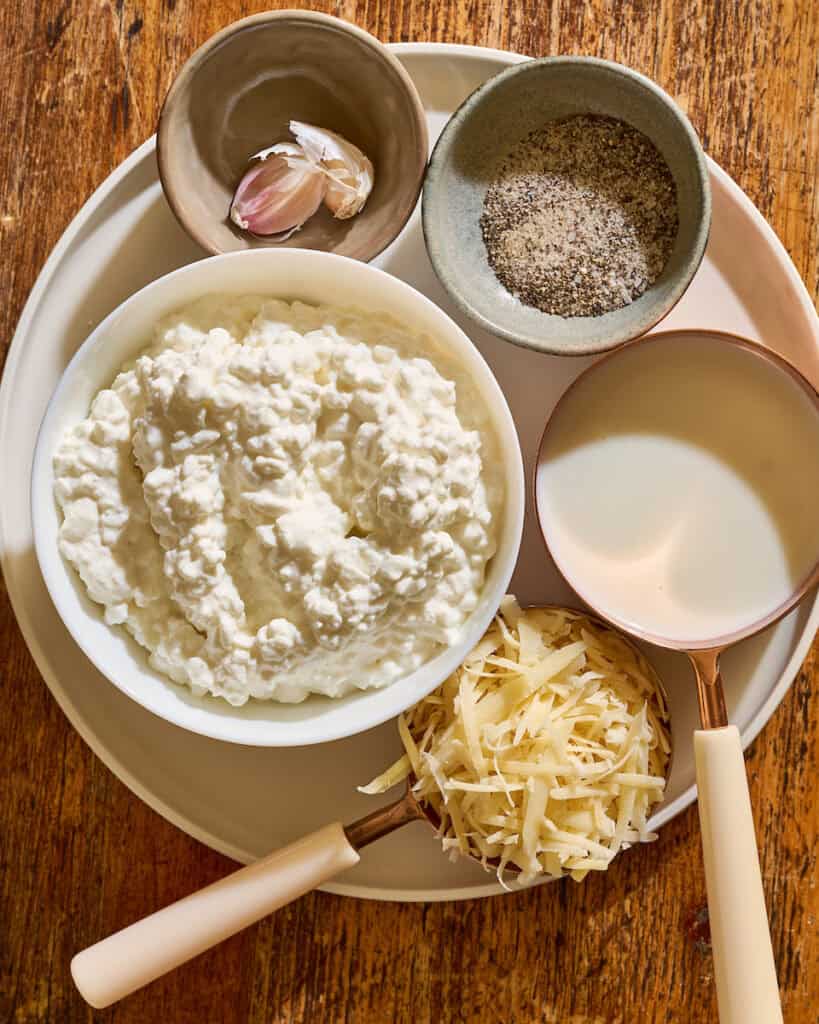
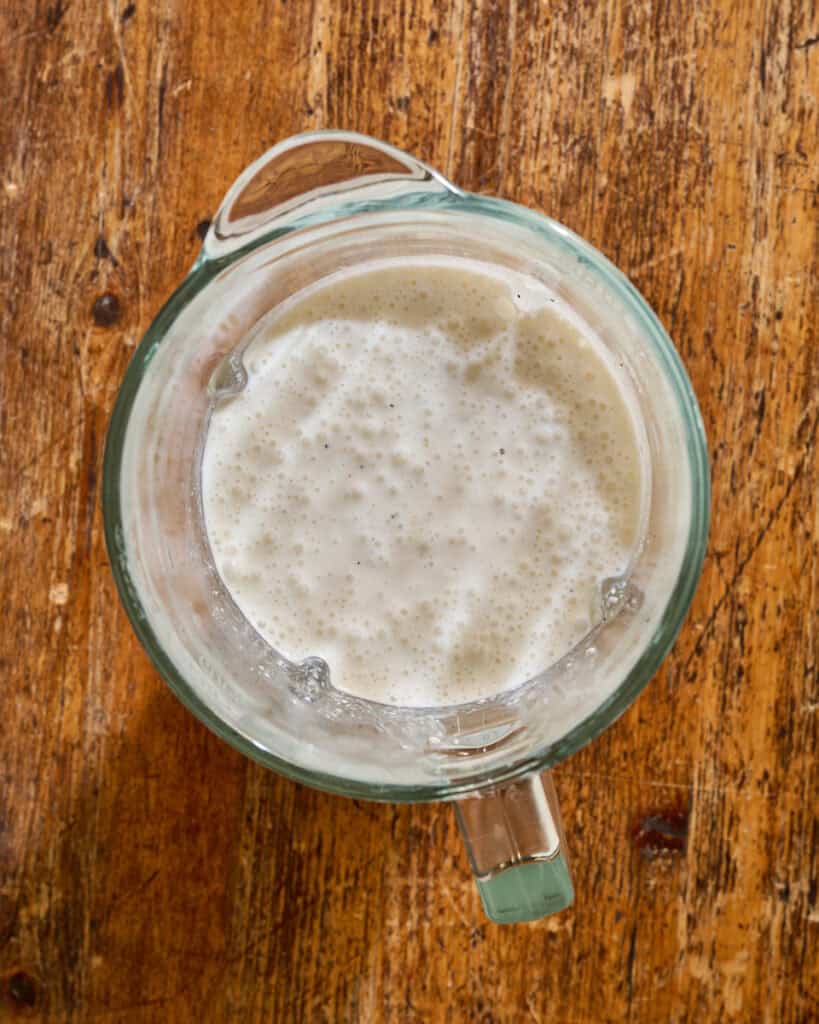
Start by adding the cottage cheese, parmesan, milk, garlic, salt, and pepper to a blender. Blend until completely smooth.
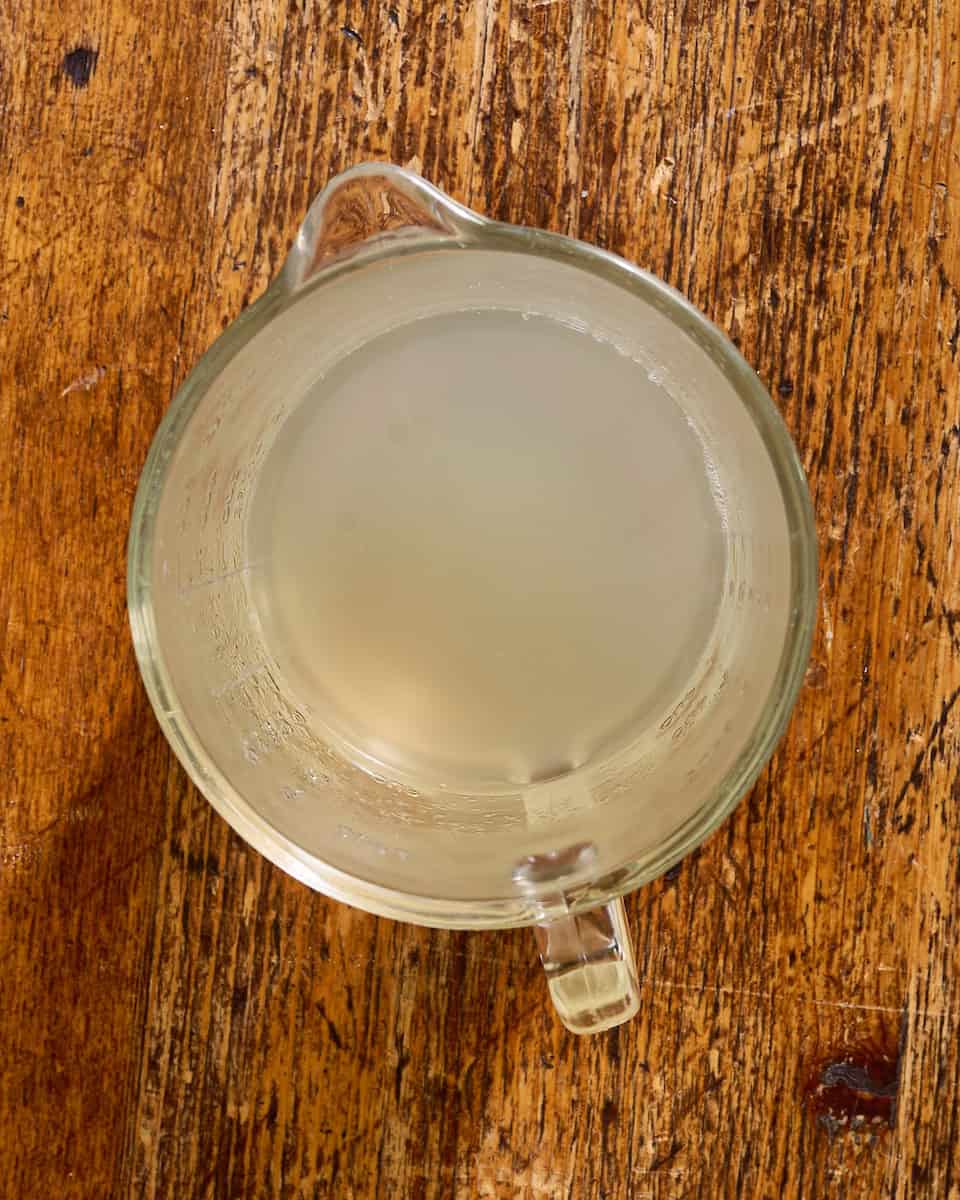
Get your pasta cooking in well-salted boiling water. Before you drain it, scoop out about a cup of pasta water and set it aside. You'll use it to adjust the sauce consistency at the end.
Season your diced chicken with salt and pepper. Heat a tablespoon of olive oil in a large skillet over medium-high heat and sear the chicken until golden and cooked through. Give it time and don't rush moving it around too much as that will prevent the browning from developing.
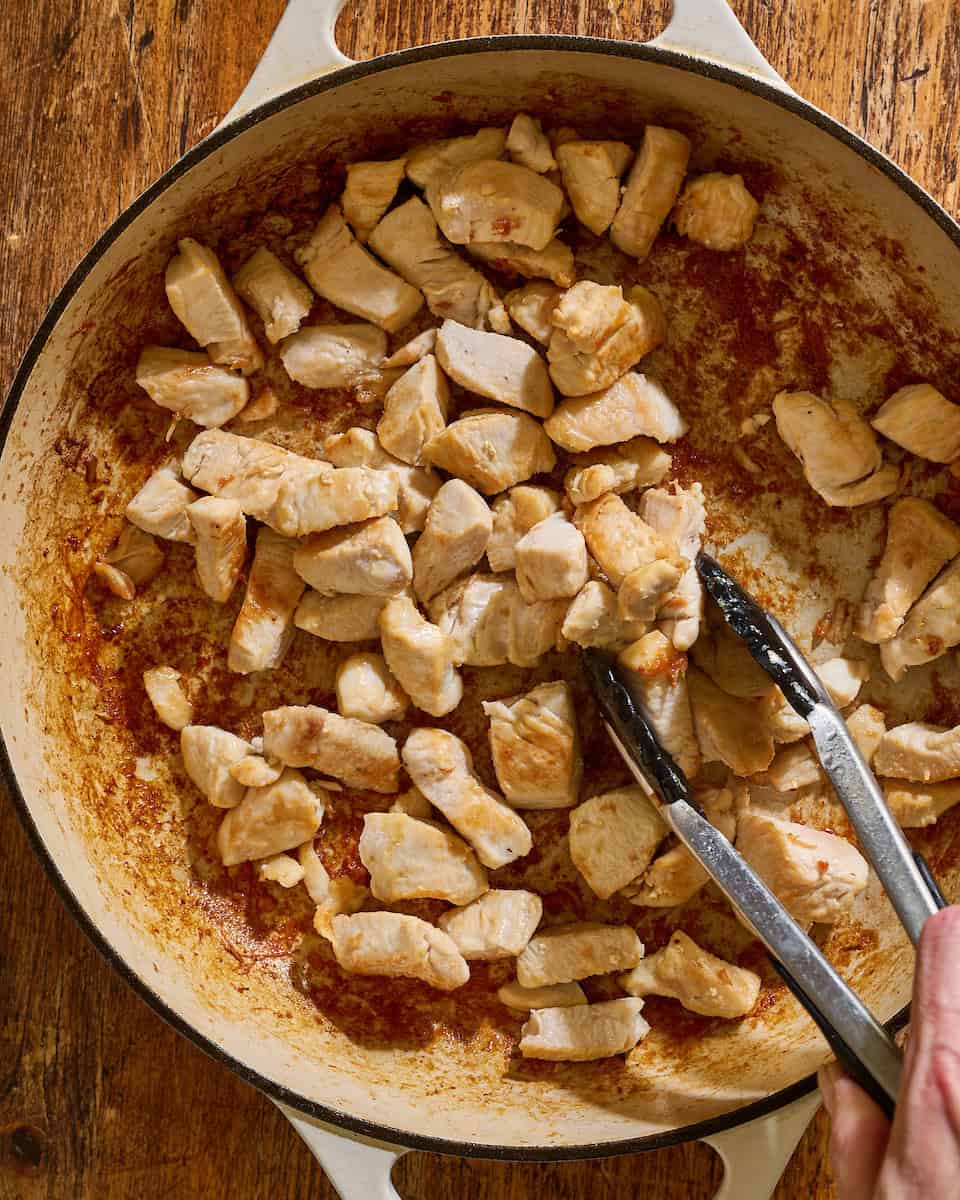
Once the chicken is cooked through add a tablespoon of butter to the same pan over medium low heat and let it melt, then pour the blended sauce into the pan and turn the heat to low.
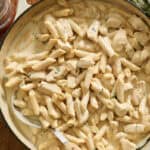
Scrape up all the browned bits on the bottom of the pan to add flavor to the sauce, then add in the pasta. The sauce does thicken once the pasta goes in, so if it seems a bit thin, never fear.
But, if it's too thick, add in some of the extra pasta water ¼ cup at a time until you get your desired consistency.
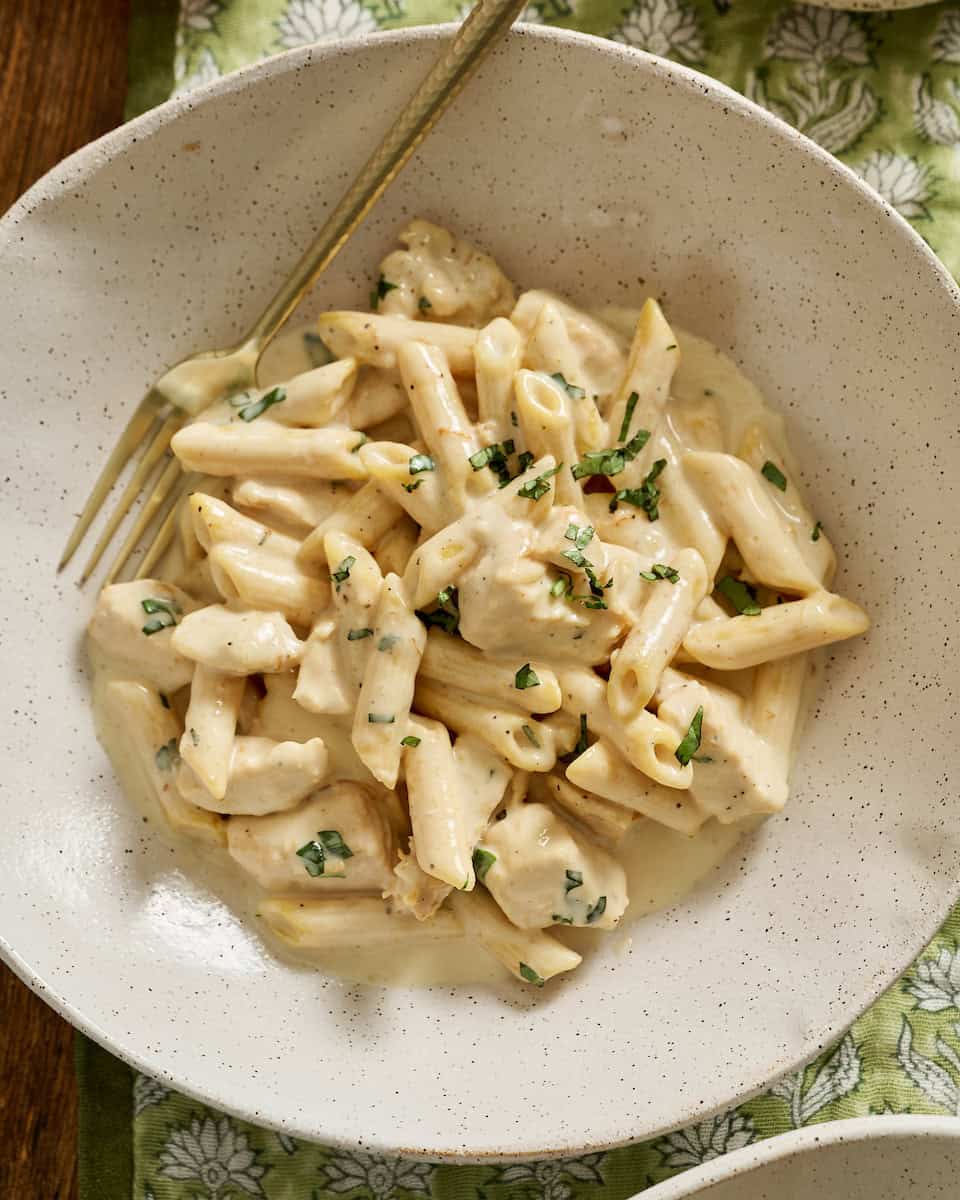
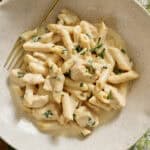
Finish with freshly grated parmesan, fresh herbs, and a pinch of red pepper flakes if you like a little heat.
Swaps and Ways to Make It Your Own
Garlic: The recipe calls for one clove which gives you a savory background note without being in-your-face. Add a second (or third!) if you're a garlic household.
Fresh herbs: I added a generous quarter cup of chopped fresh basil straight into the sauce at the end. My herb garden is out of control right now. Fresh parsley works, too!
Add vegetables: Steamed broccoli or fresh spinach can go in when you add the chicken. The spinach will wilt and both add more vitamins and fiber!
Swap the protein: Italian sausage, shrimp or tempeh would be great swaps based on what you've got in the fridge. Just cook them off in the chicken step and proceed with the rest of the recipe. You won't get the same level of fond, but still dang tasty!
Joanie's Balanced Bites for Blood Sugar Balance
This recipe is blood sugar-friendly without any modification or additional pairings if you're using a lower-carb / higher fiber / higher protein pasta. My favorites are lupini bean pasta from Brami and veggie pasta like Goodles.
If you prefer regular pasta, this recipe still contains plenty of protein and fat to help balance out the carbs, just keep portion ratios in mind and add a fiber-rich side like my Mushroom Basil Salad or Caprese Chopped Salad.
Also check out my salad guide inside my FREE Best Dressings E-book.
If you do go with the lower-carb pasta, I like to add a slice of my lower-glycemic sourdough or a sourdough discard garlic knot alongside. And studies actually back this up: how much you mentally enjoy your food matters for your health, not just the macros on the plate.
Browse more Blood Sugar-Friendly Recipes →
Cottage Cheese Alfredo with Chicken Recipe
- Prep Time: 15 minutes
- Cook Time: 20 minutes
- Total Time: 35 minutes
- Yield: 6 servings
- Category: Dinner
- Method: blender, Stovetop
- Cuisine: American, Italian
- Diet: Gluten-Free, High-Protein, Low-Carb
Description
A speedy Alfredo sauce made with cottage cheese, parmesan, and garlic. Blended smooth in minutes and packs 45+ grams of protein per serving.
Ingredients
- 2 cups cottage cheese (2% or full fat)
- ½ cup freshly grated parmesan, plus more for serving
- ½ cup milk
- 2 cloves garlic
- ½ tsp salt
- ½ tsp black pepper
- 12 oz Brami lupini penne (or your preferred higher-protein pasta)
- 1 to 1½ lbs chicken breast, diced
- 1 tsp salt
- ½ tsp pepper
- 1 tbsp olive oil
- 1 tbsp butter
- ¼ cup fresh basil or parsley
- Red pepper flakes, cracked black pepper, and extra parmesan for serving
Instructions
- Add cottage cheese, parmesan, milk, garlic, salt, and pepper to a blender. Blend until completely smooth.
- Cook pasta in well-salted water according to package directions. Before draining, scoop out about a cup of pasta water in a heat-safe cup and set it aside. You'll use it to adjust the sauce consistency at the end.
- Season diced chicken with salt and pepper. Heat olive oil in a large skillet over medium-high heat and sear chicken until golden and cooked through. Give it time without stirring in order to get some good browning on the chicken pieces.
- Once the chicken is cooked through add a tablespoon of butter to the same pan over medium low heat and let it melt, then pour the blended sauce into the pan and turn the heat to low.
- Scrape up all the browned bits on the bottom of the pan to add flavor to the sauce.
- Add in the pasta. The sauce does thicken once the pasta goes in, so if it seems a bit thin, never fear. But, if it's too thick, add in some of the extra pasta water ¼ cup at a time until you get your desired consistency.
- Finish with freshly grated parmesan, fresh herbs, and a pinch of red pepper flakes if you like a little heat.
Notes
Leftovers keep well in an airtight container for up to four days.
Reheat sauce low and slow with a splash of milk to loosen up the sauce.
Brami lupini penne is our pasta of choice here. Goodles is another great option. Both bring significantly more protein and fiber than standard pasta with a texture that actually holds up.
Nutrition
- Serving Size:
- Calories: 474
- Sugar: 4.1 g
- Sodium: 1006.8 mg
- Fat: 12.8 g
- Carbohydrates: 41.9 g
- Fiber: 5.2 g
- Protein: 48.9 g
- Cholesterol: 102.1 mg

Troubleshooting Tips
"Can you taste the cottage cheese?" No. Once it's blended smooth it completely disappears into the sauce. No curds, no tang, no cottage cheese flavor. If someone at your table is skeptical, don't tell them until after they've had seconds.
The sauce turned grainy or curdled. This happens when the heat is too high. The residual pan heat from searing the chicken is really all you need. The sauce doesn't need to cook, it just needs to warm through. If you're making the sauce without chicken, keep the heat on low and don't let it bubble.
The sauce is too thick. Add pasta water a splash at a time and stir. It loosens quickly. Start with a tablespoon and go from there. It's easier to thin than to thicken.
The sauce is too thin. Could be a result of using fat-free cottage cheese. It has a higher water content and won't give you the same body. Stick with 2% or full fat. If you do need to thicken the sauce, add the pasta to it as the pasta will absorb the extra moisture.
Can I make the sauce ahead? Yes. Blend the sauce up to two days ahead and store it in an airtight container in the fridge. Give it a good stir before adding it to the pan. It will thicken slightly as it sits, so have pasta water ready to loosen it.
Can I freeze this sauce? Skip the freezer on this one. The sauce will separate when thawed and the texture won't recover. It keeps well in the fridge for up to four days though.

Did you make this recipe? Let me know!